



Hospitals continue to push back on State Health Plan tier structure
The fallout from the State Health Plan’s new hospital tier system continued this week, as Atrium Health and WakeMed both took to the airwaves to criticize State Treasurer Brad Briner and his staff over the tiered network structure set to take effect in January.
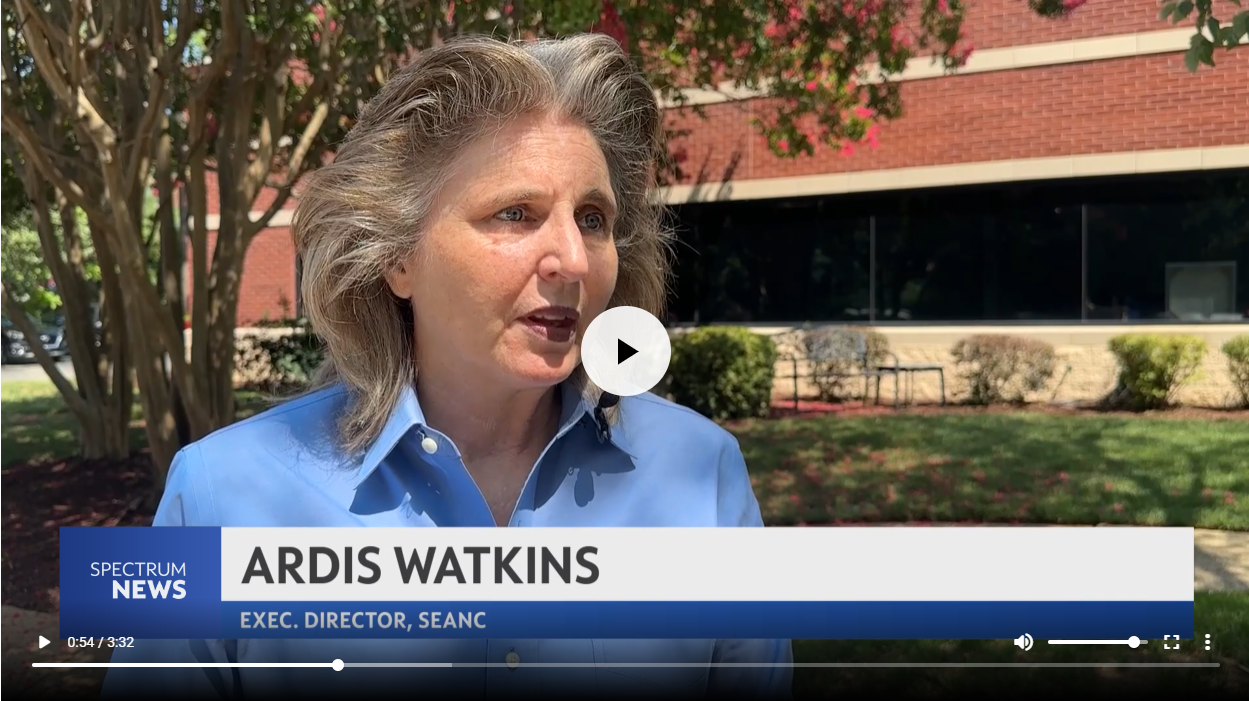
State Health Plan Executive Administrator Thomas Friedman visited SEANC’s Board of Governors meeting Friday to brief our leadership on the plan. Members expressed serious concerns about rural areas of the state that lack access to a preferred or access-tier hospital. SEANC shares those concerns and is actively working with the plan to address them.
That said, the State Treasurer’s direction is largely correct — and SEANC has said so for decades. Hospitals have long overcharged the State Health Plan to subsidize care for the broader population, with some facilities billing more than 900% of the Medicare rate for procedures that state employees need.
The numbers tell the story. Atrium Health calls itself a nonprofit, but a review of its tax records shows it sits on roughly $10 billion in reserves — and its CEO, Gene Woods, took home $25.8 million in 2024, a 49% jump from the prior year — roughly $12,400 an hour.
Across North Carolina’s nine largest nonprofit hospital systems, top executives collected more than $1.75 billion between 2010 and 2021. In 2020, only WakeMed came close to matching the value of its tax exemption with actual charity care spending — meaning some pocketed their tax breaks while overcharging state employees. These are not struggling community hospitals. They are billion-dollar enterprises hiding behind a nonprofit shield and using the State Health Plan to subsidize care for the rest of the state. State employees have been footing the bill for far too long.
The new tier system is designed to change that by introducing real competition into what is widely considered the most expensive state healthcare market in the country. Preferred providers will offer better rates to State Health Plan members — a plan that covers roughly 10% of North Carolina’s workforce. Without this change, premium increases for the State Health Plan this year would have exceeded 21%, and benefits would have been cut, meaning members would have paid more out of pocket in co-pays, coinsurance, and deductibles.
One important reminder: the plan covers all emergency visits at your enrolled rate. If you have an emergency, go to the closest hospital regardless of its tier designation.
Treasurer Briner and Administrator Friedman released a video Thursday announcing a scheduled meeting with Atrium and WakeMed in the coming weeks to discuss the matter before January implementation — though they stopped short of signaling that a compromise would be reached. We hope they hold firm. It is long past time for competition in North Carolina’s healthcare system, and the State Health Plan has the purchasing power to demand it.
We discussed this issue at length on this week’s edition of The SEANC View podcast, where we answered questions submitted by members on social media who are rightly concerned about how the new tier system may affect them. SEANC is fighting for you on this issue and will continue to address your concerns.
Five quick takes:
- If you have an emergency, go to the closest hospital — period. The State Health Plan covers all emergency visits at your enrolled rate, regardless of a hospital’s tier designation.
- Without this change, your premiums would have jumped more than 21%. Benefits would have been cut too, meaning higher co-pays, coinsurance, and deductibles out of your pocket.
- Hospitals in the “Nonpreferred” tier are still in-network for the Plan. Atrium, WakeMed, and Granville Health are all covered; they just cost more because those hospitals have decided to charge more than the Plan will pay.
- Atrium Health is a nonprofit sitting on roughly $10 billion in reserves while its CEO earns $25.8 million a year. When they say the tier system is bad for patients, ask who it’s really bad for.
- SEANC shares members’ concerns about rural access. If you live in an area without a preferred or access-tier hospital nearby, we are actively working with the State Health Plan to address that gap.